Why Small Preschool Classes Matter More Than Parents Realise

Preschool Classes bring incredible importance to how they’re children learn and grow. When parents visit a preschool, they often focus on the playground, classrooms, and facilities.
While these are important, one of the biggest factors influencing a child’s experience is often overlooked: class size.
Research consistently shows that smaller class sizes provide significant benefits during the early childhood years.
Preschool Classes with Young Children Learn Through Relationships
Before children can learn effectively, they need to feel safe, secure, and connected.
A strong relationship with a teacher helps children:
- Build confidence
- Develop emotional security
- Feel comfortable trying new things
- Ask for help when needed
Smaller classes make it easier for teachers to build these meaningful relationships.
Every Child Is Seen and Known
In a smaller classroom, teachers have more opportunities to observe each child closely.
They can identify:
- Strengths
- Interests
- Learning styles
- Areas needing additional support
Children benefit when adults truly know them as individuals.
Early Identification Makes a Big Difference
Many developmental concerns are easier to address when identified early.
Teachers in smaller classes are often better positioned to notice difficulties with:
- Speech and language
- Fine motor skills
- Social interaction
- Emotional regulation
Early intervention can have a significant impact on future learning outcomes.
Children Gain More Confidence
Some children naturally take centre stage.
Others need encouragement to participate.
In smaller classes, quieter children often feel more comfortable contributing and building confidence at their own pace.
Behaviour Management Becomes More Positive
Young children thrive when adults have time to guide behaviour calmly and consistently.
Smaller groups allow teachers to focus on teaching positive social skills rather than simply managing large numbers of children.
Learning Becomes More Personal
No two children learn exactly the same way.
Smaller classes allow teachers to adapt activities, ask questions, and provide support tailored to individual needs.
Questions to Ask When Visiting a Preschool
When comparing schools, consider asking:
- How many children are in each class?
- How many teachers supervise each group?
- How do teachers get to know each child individually?
- How is additional support provided when needed?
The Super Kidz Academy Difference
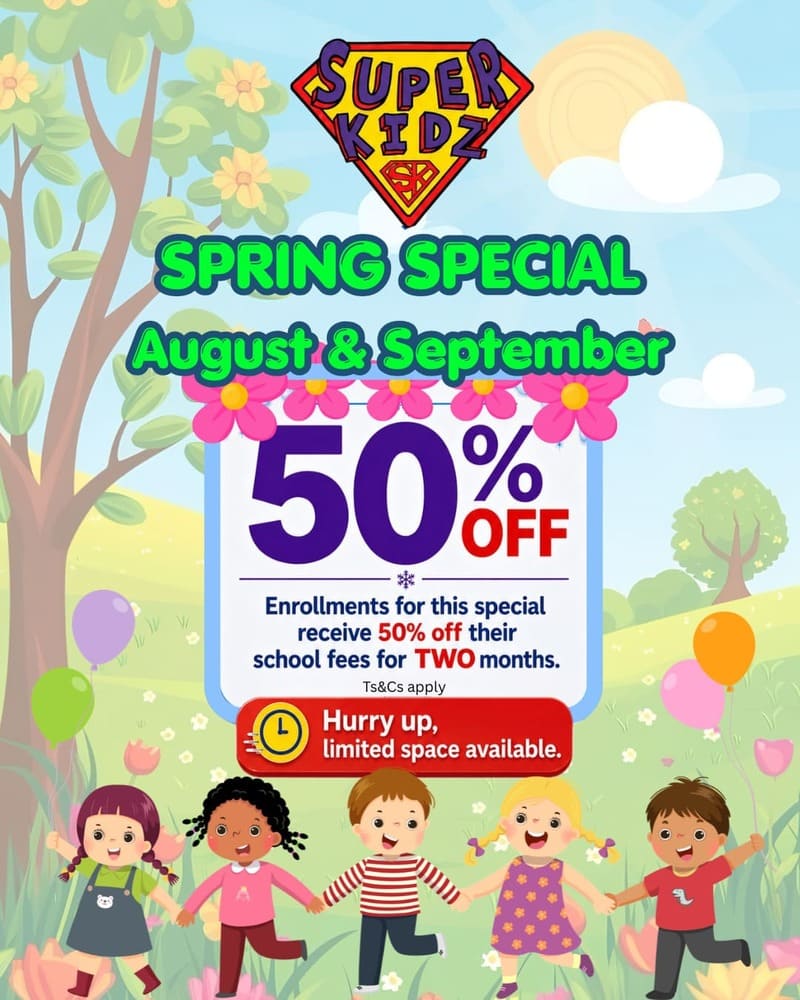
At Super Kidz Academy in Equestria, Pretoria East, we believe every child deserves to feel seen, valued, and supported.
Our nurturing environment, experienced teachers, and smaller class groups allow us to build strong relationships with each child while preparing them for Big School and for life.
We invite you to visit us and experience the difference for yourself.