Free Play in Early Childhood

The Hidden Importance of Free Play in Early Childhood has become increasingly structured. Many young children move from one scheduled activity to the next with very little time for unstructured, imaginative play.
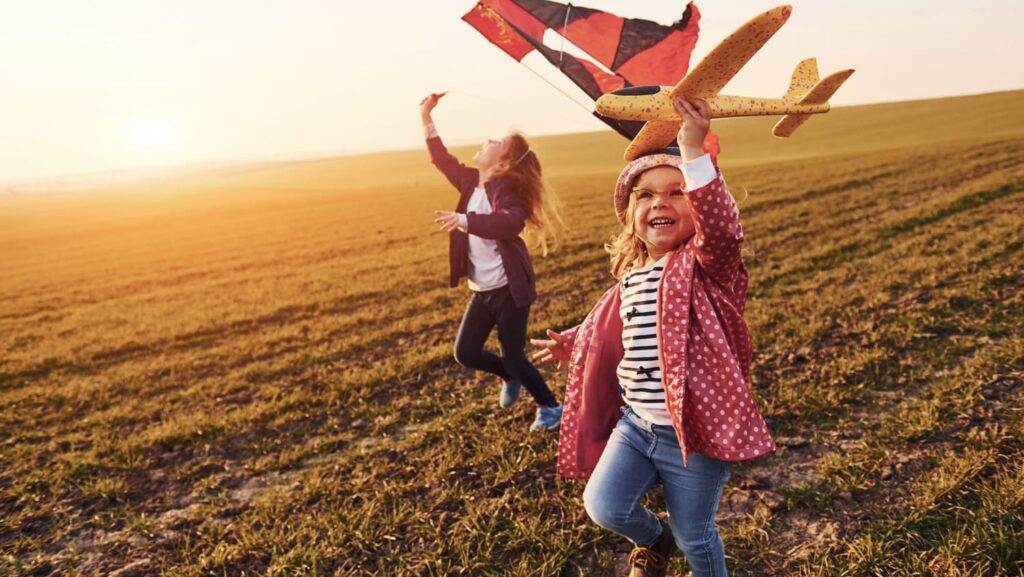
Yet free play remains one of the most important parts of healthy childhood development.
Free play gives children opportunities to explore, imagine, create, problem-solve, and develop independence in ways that adult-led activities often cannot.
What Is Free Play in Early Childhood?
Free play refers to play that is child-led rather than directed by adults.
During free play, children decide:
- what they want to play
- how the game works
- what roles they will take
- how problems are solved
Examples of Free Play in Early Childhood include:
- imaginative role play
- building forts
- outdoor exploration
- pretend cooking
- playing with blocks
- dress-up games
- creating stories
Free play allows children to follow their own curiosity and creativity.
Free Play in Early Childhood Supports Brain Development
Research in early childhood development shows that free play supports important areas of brain growth.
During imaginative play, children strengthen:
- language skills
- memory
- creativity
- emotional regulation
- flexible thinking
- problem-solving abilities
Play also helps children make sense of the world around them and process their experiences.
Children Learn Important Social Skills Through Play
When children play freely together, they naturally learn:
- sharing
- communication
- teamwork
- negotiation
- empathy
- conflict resolution
These skills are difficult to teach through worksheets or structured lessons alone.
Through play, children practice navigating real social situations in age-appropriate ways.
Free Play Builds Confidence and Independence
When children direct their own play, they develop decision-making skills and confidence in their abilities.
They learn to:
- try new ideas
- solve problems independently
- take healthy risks
- recover from mistakes
- adapt when things do not go as planned
These experiences help build resilience and emotional strength.
Children Need Time to Simply Be Children
While structured learning has its place, young children also need time to explore freely without constant pressure to perform or achieve.
Childhood is not a race.
Play is not wasted time. It is one of the primary ways young children learn and grow.
Creating Space for Meaningful Play
At Super Kidz Academy, we believe children learn best when they are given opportunities to explore, imagine, create, and discover in a safe and nurturing environment.
Our approach values balanced early childhood development through guided learning, sensory experiences, outdoor exploration, and meaningful free play.
If you are looking for a preschool in Pretoria East where children are encouraged to learn through play while building confidence and important life skills, we would love to welcome your family.